


Figges Marsh garden care tips from Colliers Wood gardeners
Posted on 12/10/2026

Figges Marsh has a feel of its own: open views, steady footfall, pockets of shade, and that mix of town-garden conditions you only really understand once you've maintained a few plots nearby. If you're searching for Figges Marsh garden care tips from Colliers Wood gardeners, you probably want advice that goes beyond generic "water more, prune less" type guidance. Fair enough. Gardens around this part of south-west London need a practical rhythm, because weather, soil, shade, and everyday wear all play their part.
In this guide, you'll find grounded, local-friendly advice for keeping beds tidy, lawns healthier, hedges under control, and planting schemes looking deliberate rather than tired. We'll cover what matters, how the process works, the mistakes people make most often, and when it makes sense to bring in a professional pair of hands. A few things are simpler than they look, honestly. A few things are trickier than they should be.
Quick expert view: the best garden care near Figges Marsh usually combines regular light maintenance, seasonal checks, and planting choices that suit London conditions rather than fighting them.
Why Figges Marsh garden care tips from Colliers Wood gardeners Matters
Gardens around Figges Marsh face a few familiar pressures. You may have compacted soil from regular use, patchy lawn growth where shade lingers, or planting that struggles because the bed dries too quickly in sun and stays damp after rain. Add boundary hedges, narrow side access, and the usual London mix of hard landscaping and small garden spaces, and regular care becomes less of a luxury and more of a necessity.
That's why local advice is useful. Colliers Wood gardeners tend to think in practical layers: soil health first, structure second, and appearance after that. It sounds obvious, but people often start with the visible bits. They trim the hedge, scatter seed, add a decorative pot, and then wonder why the garden still looks a bit off. In reality, weak roots, poor drainage, or overgrown borders usually tell the deeper story.
The Figges Marsh area also benefits from a more modest maintenance style. Not every garden needs a complete redesign. Often, a consistent routine does more good than a big seasonal overhaul. A tidy border here, a smart cut there, a little mulch, and suddenly the whole space feels calmer. Less chaos. More breathing room. And yes, the garden usually looks larger too.
If your outdoor space is part of a family routine, a pet routine, or just your daily cup-of-tea routine, dependable upkeep matters even more. Soft edges, clear paths, and healthy planting make the space easier to use and, frankly, easier to enjoy.
How Figges Marsh garden care tips from Colliers Wood gardeners Works
The approach is simple in principle, but it works best when you treat it as a cycle rather than a one-off job. First, you assess the garden as it stands. Then you prioritise the tasks that affect plant health and access. After that comes the finer work: shaping, edging, feeding, and improving the planting mix over time.
A good local routine usually starts with four questions:
- Which areas are stressed by sun, shade, or wind?
- Where is water sitting too long, or disappearing too fast?
- Which plants are overperforming and which are quietly failing?
- What needs regular attention versus occasional heavier work?
For many gardens near Figges Marsh, the answer includes a blend of lawn care, hedge trimming, weed control, and selective planting. That's where a broader maintenance approach helps, especially if you need more than the odd tidy-up. A service like garden maintenance in Colliers Wood is often the simplest way to keep all those moving parts in step.
There's also a seasonal element. In spring, you'll usually focus on clearing winter debris, checking growth, and feeding. Summer asks for watering discipline and shade management. Autumn is the reset season, and winter is about protection, structure, and not damaging roots or stems with over-enthusiastic tidying. Truth be told, most gardens suffer more from the wrong timing than from a lack of effort.
Key Benefits and Practical Advantages
Well-managed garden care delivers more than a neat finish. You get a space that functions better, plants that cope better, and fewer emergency jobs later on. That last part matters more than people expect. One skipped month can turn into a small jungle surprisingly quickly. Nature is polite, until it isn't.
- Healthier plants: regular pruning, feeding, and soil improvement reduce stress on roots and shoots.
- Better curb appeal: tidy boundaries and defined beds make even modest gardens feel cared for.
- Safer access: cleared paths, stable edging, and sensible growth control reduce trip hazards.
- Lower long-term effort: smaller, regular tasks are easier than repeated rescue jobs.
- Improved resilience: plants and lawns recover better from dry spells, wind, and heavy rain.
There's a quieter benefit too: the garden becomes easier to use. You notice it on a Tuesday evening when you'd rather sit outside than do yard work. The chair comes out. The path is clear. The smell of cut grass or damp soil is still there. That's the payoff. Not perfection, just a space that feels looked after.
For homes with hedges and borders close to boundaries, a service such as hedge trimming in Colliers Wood can also help maintain shape and light levels without letting one plant dominate everything else.
Who This Is For and When It Makes Sense
This advice is useful for a few different people. If you recognise yourself in any of the following, you're probably in the right place.
- Busy homeowners: you want the garden to look good without spending every weekend on it.
- Landlords and property managers: you need outdoor spaces to stay presentable and usable with minimal fuss.
- Families: you need clear, safe, practical space for children, toys, and general living.
- Older gardens: you're dealing with neglect, overgrowth, or uneven results from years of patchy care.
- New gardeners: you want a simple routine that won't overwhelm you.
It also makes sense if your garden has mixed conditions. Maybe the front is sunny but the back sits in shade by mid-afternoon. Maybe one bed gets hammered by wind while another stays damp. That's normal around London gardens, and it's exactly why a one-size-fits-all approach often fails.
If you're starting from a neglected space, a careful reset can make a big difference. A thoughtful garden makeover approach helps you prioritise the essentials before you spend money on new plants that may not be the real fix.
Step-by-Step Guidance
Here's a practical way to work through Figges Marsh garden care without overcomplicating it. Keep it simple. Stay consistent. That really is half the battle.
1. Walk the garden properly
Start by looking, not cutting. Check where moss collects, where weeds return fastest, where the lawn thins out, and which shrubs have become too large for their space. Do this in daylight if you can, ideally after rain or watering, because problem areas reveal themselves more clearly then.
2. Clear the clutter first
Remove fallen branches, dead stems, broken pots, old canes, and anything sitting on the soil surface that blocks airflow. A clear bed dries better, looks better, and gives you a better sense of what the plants are actually doing.
3. Tackle the lawn or ground layer
The lawn or main ground cover usually sets the tone for the whole garden. Mow at the right height, avoid scalping, and don't cut too much in one go. If turf is tired, fed-up looking, or getting patchy, a more focused programme from lawn care specialists in Colliers Wood can help stabilise it before you try to push new growth.
4. Control edges and hedges
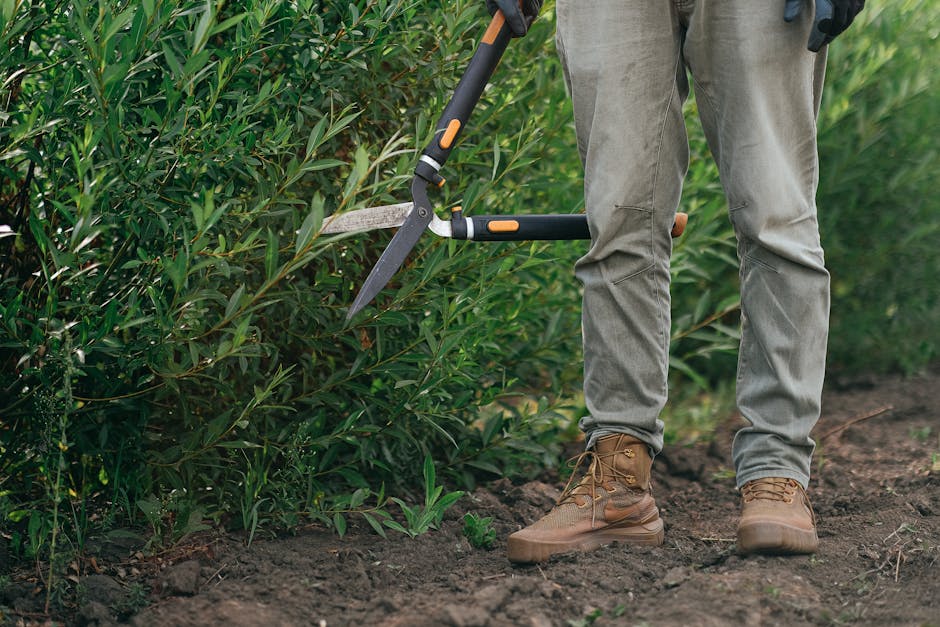
Clean edges make the whole garden feel finished. Trim hedges in a way that respects nesting seasons and active wildlife, and avoid hacking them back just because they look untidy. With shaped hedges, a light, regular trim is usually better than a drastic chop. If the hedge line is encroaching on paths, fences, or light, that's when more deliberate attention is needed.
5. Improve soil where it matters most
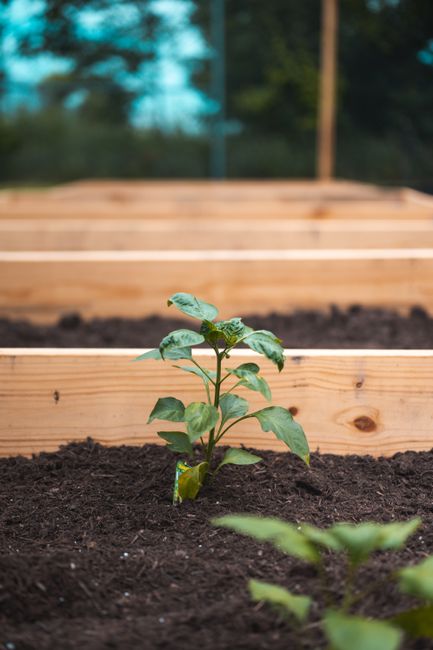
Don't feed everything blindly. Work on the beds that actually need it. Add compost, leaf mould, or well-rotted organic matter where the soil is thin or tired. For a deeper look at turning waste into a better growing medium, the article on building rich soil from garden waste is a sensible companion read.
6. Replant with local conditions in mind
Match the planting to the light and moisture conditions you actually have. A shady fence line will not thank you for sun-loving stars of the show. Similarly, a dry front border should not be treated like a bog garden. Keep a few strong performers and simplify the rest. Sometimes less really is more.
7. Review access, structure, and finish
Once the living parts are under control, look at paths, panels, borders, and any hard landscaping. A broken panel, slippery path, or wobbly step can spoil an otherwise good garden. This is also the point where wider work may help, especially if you're considering improvements beyond planting, such as landscaping services in Colliers Wood.
Expert Tips for Better Results
Here's where local experience really earns its keep. These aren't flashy ideas. They're the small, repeatable habits that tend to produce better gardens over time.
- Trim little and often: frequent light cuts are kinder to hedges and shrubs than big seasonal hacks.
- Water deeply, not constantly: shallow watering encourages shallow roots. That's a trap many gardeners fall into.
- Use mulch as a blanket: it helps hold moisture, suppress weeds, and reduce temperature swings at the root zone.
- Keep the border line readable: crisp edges make beds look intentional, even if the planting is simple.
- Respect shade patterns: use shade-tolerant plants where buildings, fences, or mature trees block light.
- Refresh rather than replace: often a plant needs pruning, feeding, or relocating before it needs removing.
A practical example: a small rear garden that seemed "impossible" to keep tidy turned around once we stopped mowing it too short, moved a few plants out of the darkest corner, and reduced the number of thirsty bedding plants. Nothing dramatic. Just the right adjustments. The owner said the space suddenly felt breathable. That's exactly the kind of win you want.
For more ideas about working with shaded spots, it's worth seeing how to maximise shade in summer gardens and which evergreen climbers suit shade.
Common Mistakes to Avoid
Most garden problems are repeat offenders. The good news? They're usually fixable. The less good news is that the same mistakes keep showing up in different gardens.
- Cutting too much at once: this stresses hedges, weakens structure, and can expose plants to scorch or dieback.
- Ignoring the soil: if the soil is compacted or poor, planting alone will not solve the issue.
- Choosing plants for looks only: the prettiest plant is not always the right plant. Sad but true.
- Letting weeds seed freely: once they spread, you've created next season's headache.
- Overwatering lawns: damp lawns can become shallow-rooted and prone to disease.
- Leaving ivy unchecked: it looks charming until it starts taking over fences, walls, and every spare inch of patience.
There's also the classic mistake of trying to do everything in one weekend. That rarely ends well. You get tired, the waste piles up, and some important job gets half-finished. Better to work in stages.
If ivy is becoming a problem on boundaries or walls, the advice in ivy removal tactics is worth a look before the plant gets deeply established.
Tools, Resources and Recommendations
You don't need a shed full of equipment, but the right basics do make life easier. A few well-chosen tools usually outperform a heap of rusty extras. The shed does not need to become a museum.
- Bypass secateurs: ideal for clean cuts on stems and small branches.
- Long-handled loppers: useful for thicker growth without overreaching.
- Stiff garden fork: helps loosen compacted soil and lift perennial weeds.
- Rake and leaf grabbers: practical for clearing borders and lawns.
- Sharp shears: useful for hedge shaping and fine trimming.
- Mulching materials: compost, bark, or leaf mould, depending on the bed and planting style.
For people building up a kit, the article on indispensable gardening tools is a sensible reference point. If you're more interested in low-maintenance planting, low-maintenance garden tips can help you make smarter choices with less ongoing effort.
And if your project is broader than routine care, a full gardening services option may be more suitable than piecemeal jobs. That's especially true when you've got several issues happening at once.
Law, Compliance, Standards, or Best Practice
For domestic garden care in the UK, the main thing is to work safely and sensibly. That includes being mindful of wildlife, avoiding damage to boundary structures, and using tools responsibly. If you're trimming hedges, cutting back trees, or clearing dense growth, check for nesting birds and other wildlife before you start. It's common sense, but it's also the sort of detail people sometimes rush past.
For trees with larger structural issues, unstable limbs, or anything beyond light pruning, it is safer to involve trained help rather than improvise. A professional tree surgery service in Colliers Wood is the right route when the work is technically demanding or potentially hazardous.
If your garden includes fences, decking, or paved areas, remember that maintenance is not just cosmetic. Slippery surfaces, loose boards, and leaning panels can all create avoidable risk. A good garden routine treats the whole outdoor space as one connected system. Not glamorous, perhaps. Very effective though.
Best practice also means being careful with waste. Green waste should be composted or removed responsibly where possible, and any treatment or product should be used according to the instructions. Keep it plain, keep it safe, keep it sensible.
Options, Methods, or Comparison Table
Different gardens need different levels of input. Here's a simple comparison to help you decide what approach suits your situation best.
| Approach | Best for | Pros | Limitations |
|---|---|---|---|
| Light DIY upkeep | Small, healthy gardens with limited growth problems | Low cost, flexible, easy to keep on top of | Can fall behind fast if the garden is already stressed |
| Seasonal DIY reset | Gardens that need a few concentrated work sessions | Good for clearing, pruning, and border refreshes | Requires time, energy, and some know-how |
| Ongoing professional maintenance | Busy households, rental properties, and larger or more complex spaces | Consistent finish, fewer missed jobs, better planning | Ongoing cost, though usually balanced by saved time |
| One-off restoration visit | Overgrown, neglected, or inherited gardens | Fast progress and a clear starting point | Needs follow-up care to prevent regression |
If your main issue is the lawn, start there. If the structure is the issue, deal with hedges, borders, and access first. If everything is going wrong at once, don't panic. That happens more than people admit.
Case Study or Real-World Example
Here's a realistic example from a small Figges Marsh-style garden with a narrow lawn, one overgrown hedge, and two mixed borders that had become more weeds than planting. The owner wanted the garden to feel tidy enough for weekend use without turning into a chore list.
The first visit focused on clearing debris, lifting low growth, and cutting back the hedge enough to restore light. Next came a lawn pass: not a drastic cut, just better height control and removal of that spongy, congested top layer. The beds were then mulched, the worst weeds removed by hand, and a few tired plants replaced with tougher, shade-tolerant options. Nothing fancy. Just steady, sensible work.
Within a few weeks, the space looked calmer and the owner could actually use the seating area again. The key change wasn't one dramatic feature. It was the cumulative effect of proper care. You could smell the grass after mowing, hear the hedge trimmings rustle in the bag, and the whole place just felt more lived-in in a good way.
If you're curious about how garden spaces can be softened and made more inviting, the piece on creating better garden seating environments ties in well with this kind of practical refresh.
Practical Checklist
Use this checklist when you want a quick but reliable garden care reset near Figges Marsh.
- Check lawn health and mow to an appropriate height.
- Trim hedges lightly and evenly, rather than cutting back too hard.
- Remove weeds before they flower or seed.
- Clear fallen leaves, dead stems, and broken debris.
- Mulch bare soil to protect moisture and reduce weed pressure.
- Water deeply where plants are newly established or visibly stressed.
- Inspect fences, edging, paths, and steps for wear or looseness.
- Prune only what needs pruning, and avoid working against nesting wildlife.
- Review shade, sun, and wind exposure before choosing new plants.
- Book help for larger jobs, heavy overgrowth, or tree work that feels beyond a routine tidy-up.
Conclusion
Figges Marsh gardens tend to do best when they're managed with a bit of rhythm rather than constant overthinking. Keep an eye on soil, water, light, and structure. Tidy regularly. Choose plants that suit the space. And when a job becomes too large or too technical, bring in local expertise before the problem grows teeth.
That's really the heart of Figges Marsh garden care tips from Colliers Wood gardeners: practical, seasonal, local advice that keeps your outdoor space healthy, usable, and calm-looking without making life harder than it needs to be. Small wins stack up. They always do.
If you're ready to turn a patchy or overgrown garden into something easier to live with, consider a maintenance plan that fits your space and your schedule.
Get a free quote today and see how much you can save.

With a strong foundation as an expert gardener, Norm excels as a proficient writer, providing assistance to thousands of customers with their gardening needs. His focus revolves around various topics related to gardening and landscaping.