


Merton Abbey Mills courtyard work by Colliers Wood gardeners
Posted on 20/10/2026
Merton Abbey Mills Courtyard Work by Colliers Wood Gardeners: Practical Guidance for a Clean, Welcoming Outdoor Space
If you are looking at Merton Abbey Mills courtyard work by Colliers Wood gardeners, you are probably trying to do more than just tidy a few beds. Courtyard spaces carry a lot of weight. They need to look inviting, stay safe under foot, handle changing weather, and still feel like somewhere people actually want to sit for five minutes with a coffee. That sounds simple enough, until you start dealing with shade, paving joints, awkward corners, tired planting, and the usual little mess that builds up faster than anyone expects.
In this guide, we break down what courtyard work usually involves, how Colliers Wood gardeners approach it, and what to consider if you are weighing up maintenance, improvements, or a more complete refresh. You will also find a practical checklist, a comparison table, and a few honest tips from the sort of day-to-day realities that tend to get missed. Because let's face it, a courtyard can look lovely in theory and still be a pain in real life.
Why Merton Abbey Mills courtyard work by Colliers Wood gardeners Matters
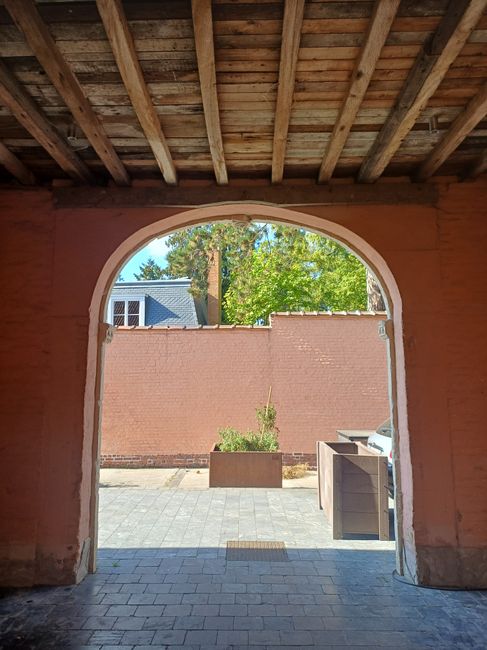
Courtyard spaces are different from bigger gardens. They usually have less room, more hard landscaping, and more pressure to perform visually. In a place like Merton Abbey Mills, that can mean a courtyard acts as a reception area, a pause point, or a small shared outdoor setting that people notice immediately. If the planting is messy or the paving is slippery, it shows. If the layout feels calm and intentional, that shows too.
That is why courtyard work by Colliers Wood gardeners matters so much. It is not just trimming a border or sweeping leaves. It is about making a compact outdoor space feel well kept, usable, and in step with the character of the property. A good garden team looks at circulation, drainage, planting structure, light levels, and seasonal upkeep together, not as separate jobs.
Courtyards also suffer from a few stubborn issues:
- limited sunlight and poor air flow
- paving moss and algae after wet spells
- plants drying out faster than expected in containers
- crowding from climbers, shrubs, and self-seeded weeds
- surfaces and edges that need regular cleaning to stay safe
When those issues are handled properly, the whole space feels easier to use. You notice it at once. The place seems lighter, cleaner, and a bit more generous, even if the footprint has not changed at all.
How Merton Abbey Mills courtyard work by Colliers Wood gardeners Works
Most courtyard projects begin with a simple walk-through. A gardener assesses what is there already, what is struggling, and what needs protecting. In a tight setting, that first step matters. It helps avoid overworking the space or removing features that are actually doing useful jobs, like providing shade or softening hard walls.
From there, the work usually follows a practical sequence:
- Clear and assess. Remove debris, fallen leaves, and any dead planting so the real condition of the courtyard is visible.
- Check the hard surfaces. Look at paving, edging, steps, drains, and corners where water or algae tend to collect.
- Prune and reshape. Cut back overgrowth, reduce congestion, and restore balance without stripping the space bare.
- Refresh planting. Refill tired containers, improve soil, and choose plants suited to light, shade, and exposure.
- Refine the details. This is where finishing touches matter: tidy edging, clean surfaces, straightened planters, and a sharper overall feel.
- Set a maintenance rhythm. Courtyards need regular light care rather than rare heavy intervention. A little and often tends to work best.
Some courtyards need a soft-touch approach, especially where mature planting or shared access is involved. Others benefit from slightly more structural work, such as redesigning a cramped layout or improving boundaries with thoughtful landscaping support. If there are tired edges, broken panels, or a privacy issue, a gardener may also suggest fencing improvements to make the whole area feel more enclosed and calm.
In practice, good courtyard work is part tidy-up, part problem-solving. You do not usually want a dramatic makeover unless the space truly needs it. More often, the best result is careful correction.
Key Benefits and Practical Advantages
There is a reason well-kept courtyards feel so different from neglected ones. The benefits are not only visual, though that is usually the first thing people notice.
- Better first impressions. Courtyards often greet visitors before any other outdoor area.
- Safer movement. Clean paving, tidy edges, and sensible planting reduce slips, trip points, and awkward squeeze-through spots.
- Improved plant health. Pruning, feeding, and soil renewal help containers and border plants recover.
- Easier maintenance. A sensible layout means less time wrestling with dead ends and clutter.
- More usable space. Even a small courtyard can become genuinely enjoyable, not just decorative.
- Seasonal resilience. Well-chosen plants and better drainage help the space cope with damp winters and dry spells.
One of the quieter advantages is reduced frustration. A courtyard that is always half tidy can be oddly draining. You keep noticing the same weeds, the same stained patch, the same overgrown corner. Once those issues are under control, the whole place stops nagging at you. Strange, but true.
For businesses, managed courtyards can support a more professional atmosphere. For residents, they can turn a plain passageway into a small outdoor room. That is the key idea here: function first, appearance right behind it.
Who This Is For and When It Makes Sense
Merton Abbey Mills courtyard work by Colliers Wood gardeners is a good fit for a few different situations. Not every courtyard needs the same kind of attention, and knowing where you sit helps you choose the right level of work.
- Property managers who need outdoor shared spaces kept neat and safe
- Cafes, studios, and small commercial premises that rely on presentation and regular access
- Homeowners with compact walled gardens or paved courtyards that have become a bit unruly
- Landlords and letting agents who want a courtyard to help a property show well
- People with poor access or limited time who need a low-fuss outdoor space
It makes the most sense when the courtyard is still structurally sound, but tired. If the main issues are moss, weeds, thin planting, awkward shade, and general clutter, you are usually in the sweet spot for maintenance-led work. If the space has drainage failures, unstable surfaces, or major design problems, the work may lean more heavily into planning and construction support.
Sometimes the trigger is seasonal. Early spring is a common moment to reset. So is late summer, when containers look thirsty and anything shady begins to sprawl. That said, courtyards often show their problems in winter, when wet paving and leaf build-up become impossible to ignore.
Step-by-Step Guidance
If you are planning a courtyard refresh, the safest way to think about it is step by step. That helps you avoid paying for fixes you do not actually need.
- Start with a clear goal. Ask whether you need cleaning, planting, structure, privacy, or ongoing maintenance. Often it is a mix.
- Inspect drainage and surface condition. Standing water, cracked joints, and slippery patches should be addressed early.
- Remove clutter first. Pots, dead foliage, broken items, and built-up debris get in the way of accurate planning.
- Cut back and rebalance planting. Courtyards can go from cramped to composed with sensible pruning alone.
- Decide what should stay. Mature climbers, established shrubs, and good containers are worth keeping if they still earn their place.
- Improve the surfaces. Where needed, specialist patio cleaning can make a huge difference to safety and appearance.
- Refill the planting scheme. Choose a mix of structure, texture, and seasonal colour. One pot of flowers is nice; three or four layered elements usually look much better.
- Set a maintenance schedule. Without one, courtyards slip back quickly. There is no mystery there.
A very practical detail: before choosing plants, spend a few minutes watching where light actually lands across the day. Courtyards can have deceptive conditions. A space that feels sunny at 11 a.m. might sit in cool shade by mid-afternoon. That matters a lot.
If the area is part of a larger maintenance plan, it can be worth joining courtyard work with broader garden maintenance or general gardening services. That tends to keep the standard more consistent across seasons.
Expert Tips for Better Results
Courtyards reward restraint. You do not need to fill every gap. In fact, leaving a bit of breathing room often makes the space feel more expensive and more calm. A crowded courtyard can look like it is trying too hard.
- Use vertical layers. Combine ground-level planting, mid-height shrubs, and climbers where walls allow it.
- Prioritise drainage-friendly materials. Surfaces that shed water well are easier to keep clean and safer in wet weather.
- Choose plants that behave. In small spaces, aggressive spreaders become a chore quickly.
- Mix evergreen structure with seasonal change. That gives the courtyard something to offer even in January.
- Keep colour disciplined. Two or three repeated colours usually read better than a random mix of everything available.
- Work with the shade. Many courtyards at Merton Abbey Mills and nearby are partly shaded, so use that rather than fighting it. Shade-tolerant planting can be beautiful.
If you want a practical reference point, the article on making the most of summer shade is useful for understanding how to turn lower-light corners into an asset rather than a problem. Likewise, if the courtyard includes climbers, the piece on evergreen climbers for shade offers helpful direction.
And one small thing: do not underestimate the value of clean edges. A straight edge against paving can make a courtyard feel immediately more intentional. Tiny detail, big effect.
Common Mistakes to Avoid
People usually do not ruin courtyard spaces through one dramatic error. It is more often a handful of small misses that build up.
- Overplanting. Courtyards need space as much as plants do.
- Ignoring water movement. If water has nowhere to go, surfaces and roots both suffer.
- Using the wrong plant for the light. A shade-loving plant in full afternoon glare will sulk. A sun-lover in deep shade will do the same.
- Letting climbers take over. They can be lovely, but they need boundaries.
- Skipping surface cleaning. Moss and algae are not just untidy; they can be hazardous.
- Choosing decorative items over practical ones. In a compact courtyard, every feature has to earn its place.
Another common one is treating maintenance as a one-off job. Courtyards almost always need repeat attention. Not lots of drama, just regular care. A quick sweep, a seasonal prune, a check on drainage, a refresh of soil. That rhythm matters more than any single grand gesture.
If the space has established growth getting out of hand, you may need support from hedge trimming specialists or tree surgery services. Sometimes what looks like a planting issue is actually a light issue caused by overgrown structure nearby.
Tools, Resources and Recommendations
Courtyard work benefits from the right tools, but not in an overcomplicated way. A sensible kit is usually enough. In many cases, what matters most is using the right tool at the right moment.
- Hand pruners and secateurs for small cuts and deadheading
- Lightweight shears for shaping soft growth and keeping edges tidy
- Brushes and stiff brooms for regular surface cleaning
- Weed removal tools for joints and awkward corners
- Watering cans or compact hoses for container care
- Good compost or soil improver for tired planters and beds
- Gloves, kneelers, and a small trug because otherwise the job gets fiddly very quickly
If you like to keep things simple, start with weed control, pruning, and surface care. Those three alone make a courtyard feel more manageable. The article on weed control is a sensible companion if weeds are becoming a regular nuisance.
For a more sustainable mindset, the guide on turning garden waste into rich soil is a useful reminder that prunings and organic waste do not always need to leave the site. When handled properly, they can support a better growing environment.
And if you are planning a bigger refresh rather than day-to-day upkeep, it may be helpful to compare courtyard priorities with broader landscaping options. That gives you a clearer sense of what should be repaired, replaced, or simply maintained.
Law, Compliance, Standards, or Best Practice
Courtyard work is not usually about heavy regulation, but there are still sensible UK expectations to keep in mind. If the space is shared, public-facing, or part of a managed property, safety and access should be treated carefully. Surfaces should be kept reasonably free from build-up that could cause slipping, and any work around trees, fences, or structures should be done with care and appropriate competence.
In practical terms, best practice usually means:
- keeping walkways clear and trip hazards reduced
- using appropriate plant choices for the available light and space
- managing pruning and waste responsibly
- checking that any heavy work does not disturb neighbouring access or shared boundaries
- being cautious with tools, ladders, and elevated work in tight spaces
Where trees or larger woody growth are involved, it is wise to avoid guessing. Courtyard spaces can hide awkward root systems or branches close to walls, so experienced judgment matters. The same goes for hard landscaping: loose paving or unstable edging is not something to leave "until later" if people are walking through daily.
Truth be told, compliance in a courtyard is mostly common sense done properly. Keep it tidy, keep it safe, and do not overreach with work you are not set up to handle.
Options, Methods, or Comparison Table
If you are deciding how to approach courtyard work, it helps to compare the main methods side by side. The right choice depends on condition, budget, and how much day-to-day attention the space can realistically receive.
| Approach | Best For | Pros | Watch Outs |
|---|---|---|---|
| Light maintenance | Courtyards that are generally tidy but need regular care | Quick, affordable, keeps standards steady | Won't fix deeper drainage or design problems |
| Refresh and replant | Tired courtyards with weak planting and dull containers | Big visual improvement without full rebuild | Needs ongoing watering and seasonal upkeep |
| Structural improvement | Courtyards with awkward layout, poor access, or worn features | Can solve the root problem, not just the symptoms | More planning, more cost, and often longer lead time |
| Combined garden care | Properties that need broader support across outdoor areas | Joined-up results, better consistency | Requires clearer scheduling and priorities |
In a real-world setting, many courtyards benefit from a mixed approach. You might start with a clean-up, then improve surfaces, then add planting that suits the space. That sequence often gives better value than trying to do everything at once, which can get chaotic fast.
Case Study or Real-World Example
Here is a realistic example from the kind of project this topic usually points to. A small courtyard near Merton Abbey Mills had decent paving, but it felt cramped and a bit gloomy. The planting was mixed, but not in a good way: one corner was overfull, another was bare, and the containers had dried out unevenly. Moss had also made the paving look older than it was.
The work began with clearance, a proper sweep, and a careful cut back of overgrown stems. The gardener kept the climbers that were doing useful work, removed the dead or weak material, and improved the shape of the planting so there was space to breathe. The paving was cleaned, the container mix was refreshed, and a small number of shade-tolerant plants were added to soften the wall without crowding the walk-through area.
The result was not flashy. That is the point. It looked calmer, easier to maintain, and more welcoming in a way people could feel straight away. A few weeks later, the space still held together because the planting and maintenance plan were realistic, not over-ambitious. That is usually how the better courtyard jobs go.
If the same space had been left to evolve naturally, it would probably have become harder to manage every month. A bit of expert intervention, done quietly, often prevents that slide.
Practical Checklist
Use this checklist if you are planning courtyard work and want to stay focused. No fluff, just the useful bits.
- Check drainage and note any standing water
- Inspect paving, steps, edging, and corners for safety issues
- Remove debris, dead plants, and clutter
- Cut back overgrowth and reshape planting
- Refresh tired containers with compost or new material
- Confirm whether the space is shaded, sunny, or mixed across the day
- Choose plants that suit the actual light levels
- Decide whether you need cleaning, maintenance, or a broader redesign
- Set a repeat visit schedule before the space slips back
- Review boundaries, privacy, and access needs
If children or pets use the area, add a second pass for safety. The guides on child-safe garden design and pet-safe planting are worth a look if that applies to your courtyard.
And if the space is exposed to difficult weather, the article on protecting gardens from severe weather offers a useful way to think about resilience rather than just appearance.
Get a free quote today and see how much you can save.
Conclusion
Merton Abbey Mills courtyard work by Colliers Wood gardeners is really about turning a small, demanding outdoor space into something that feels calm, safe, and worth spending time in. The best results usually come from steady maintenance, sensible planting, and a clear eye for the practical details that matter most in compact settings.
Whether the courtyard needs a seasonal clean-up, a planting refresh, or a more considered redesign, the aim is the same: make the space easier to live with and nicer to look at. Not just for one afternoon, but over the long haul.
And honestly, that is where good gardening shows itself. In the little moments. The clean path, the healthy leaf, the tidy edge, the sense that someone has paid proper attention. That kind of care lingers.

With a strong foundation as an expert gardener, Norm excels as a proficient writer, providing assistance to thousands of customers with their gardening needs. His focus revolves around various topics related to gardening and landscaping.